

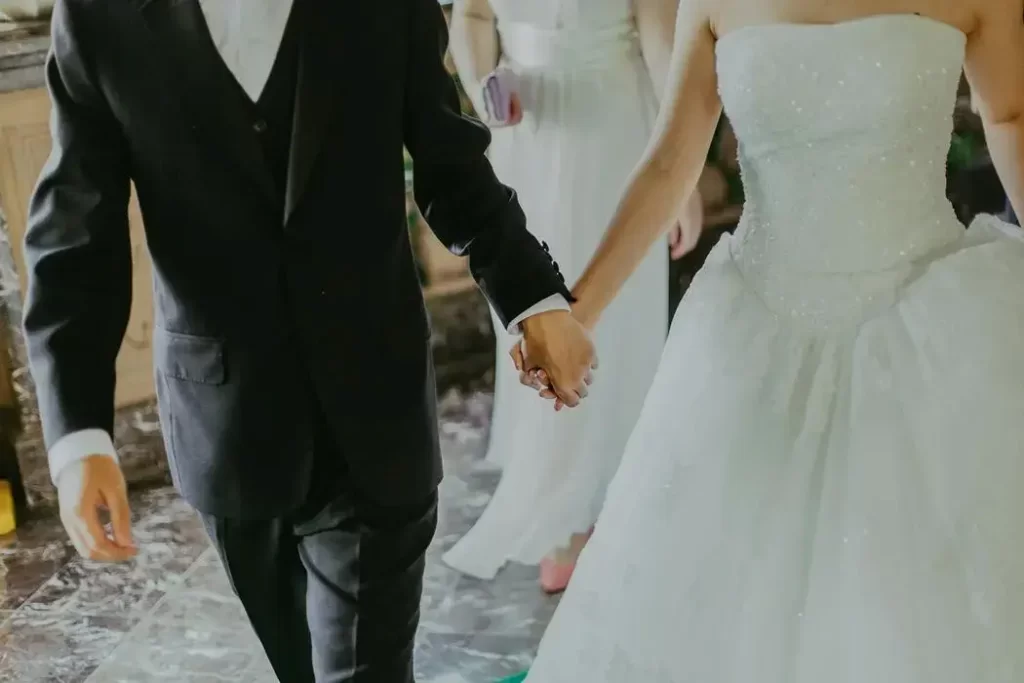
There’s a moment in every multicultural wedding where two worlds blend so seamlessly that it feels like magic. Maybe it’s when the bride walks down the aisle in a gown adorned with traditional jewelry from her heritage. Or when the music shifts from classical strings to ancestral drums that echo generations of memory. Sometimes it’s a shared smile between families who speak different languages and have lived completely different lives, but understand the universal joy of love. This is the beautiful blur, where traditions, stories, and identities meet. When two cultures say I do, they do not just join hands; they create an entirely new tapestry woven from history, heart, and hope.
The Beautiful Blur:
Cross-Cultural Ceremony Planning
The magic of blended traditions
One of the most breathtaking parts of multicultural weddings is the merging of cultural practices and rituals. These beautiful moments really encompass the merging of two lineages. Whilst some couples choose to have dual ceremonies, such as a traditional tea ceremony followed by western vows, a henna night before a church wedding, or a blessing from elders alongside a modern exchange of rings. Others blend traditions into one harmonic celebration, incorporating symbolic rituals, cultural decoration, and traditional readings into one ceremony.
What makes these combinations so powerful is the emotional weight that they carry for parents, grandparents, and others to have their customs and traditions honored with care. A chance for loved ones to witness both families’ identities celebrated equally is both moving and meaningful for all involved. These rituals also create visually stunning memories, a shimmering vale beside a colorful sari, a green wearing cultural beads with a classic suit, or two families standing side by side in attire that tells a thousand stories. Every detail reminds everyone present that heritage is not lost in love, it’s expanded widely.
Navigating families, expectations, and identity
But as beautiful as it is, blending cultures isn’t always effortless. Two families may have very different expectations about what a wedding should look like, especially when it comes to customs, ceremony length, music choices, or even what food is to be served. Some traditions might conflict or need adjustments to fit into the wedding and to include everyone. And there’s the emotional side with both sides wanting to honor both backgrounds equally, whilst making the ceremony personal and unique to the couple.
Communication becomes the strongest cornerstone. During this process, couples find themselves learning more about each other’s upbringing, beliefs, and values in the planning process than they had ever expected. They must have honest conversations about what matters most, what to preserve, what to reimagine, and what feels authentic to who they are becoming together.
Interestingly, these challenges, deciding what is important and learning deeply about your partner, lead to moments of deep connection and understanding. Families who may initially feel hesitant or unfamiliar with another culture’s customs frequently grow to appreciate them. This bridging of expectations and identities is where the wedding becomes more than a celebration; it becomes a shared learning journey that strengthens bonds before the marriage even begins.
Fashion: when two worlds meet
Wedding fashion is a stunning way to honor multiple heritages; many multicultural couples embrace outfit changes that allow each culture to shine. A bride might begin the day in a traditional, embroidered ensemble before changing into a contemporary gown. A groom may pair a modern suit with cultural jewelry or heirloom accessories passed down through generations.
Color symbolism can also take center stage. White may represent purity in one culture while red symbolizes prosperity in another. Some couples find beautiful ways to merge these meanings, blending platelets, layering garments, or customizing designs that weave cultural motifs into modern silhouettes.
This way, attire becomes deeply personal, with each choice reflecting fashion preferences but also lineage, identity, and love.
Food and atmosphere: A sensory fusion
If there’s one thing guests never forget at a multicultural wedding, it’s the sensory experience. Food becomes a bridge between worlds: dual menus offering both families’ favorites, fashion dishes that reinterpret classics, or dessert tables showcasing treats from each culture.
Music often tells its own story, too. A ceremony might begin with traditional folk songs or some culture-specific music and then transition to contemporary hits during the reception. Live drummers, DJs, and cultural performers can all share the same stage, creating an atmosphere that feels both rooted and modern.
Challenges and moments of growth
Of course, multicultural weddings can present logistical, cultural, or emotional challenges. There may be language barriers, differing expectations about ceremonies, or even the challenge of navigating international paperwork. For many couples, securing a spouse visa for the UK becomes one of the biggest hurdles. The process can be lengthy, emotional, and filled with uncertainty, often requiring additional documentation, interviews, and time apart. Yet these issues rarely overshadow the joy of the celebrations to come.
The beauty of the blur
Ultimately, the beauty of the blur is more than just a merging of wedding styles or customs; it’s the creation of a new story, one that honors the past while confidently stepping into the future.
So whether it’s the blending of rituals, the fusion of flavors or the union of families who once lived worlds apart, the beauty lies in the blur, where two hearts come together to create something unforgettable.
Photo by Jeremy Wong
